


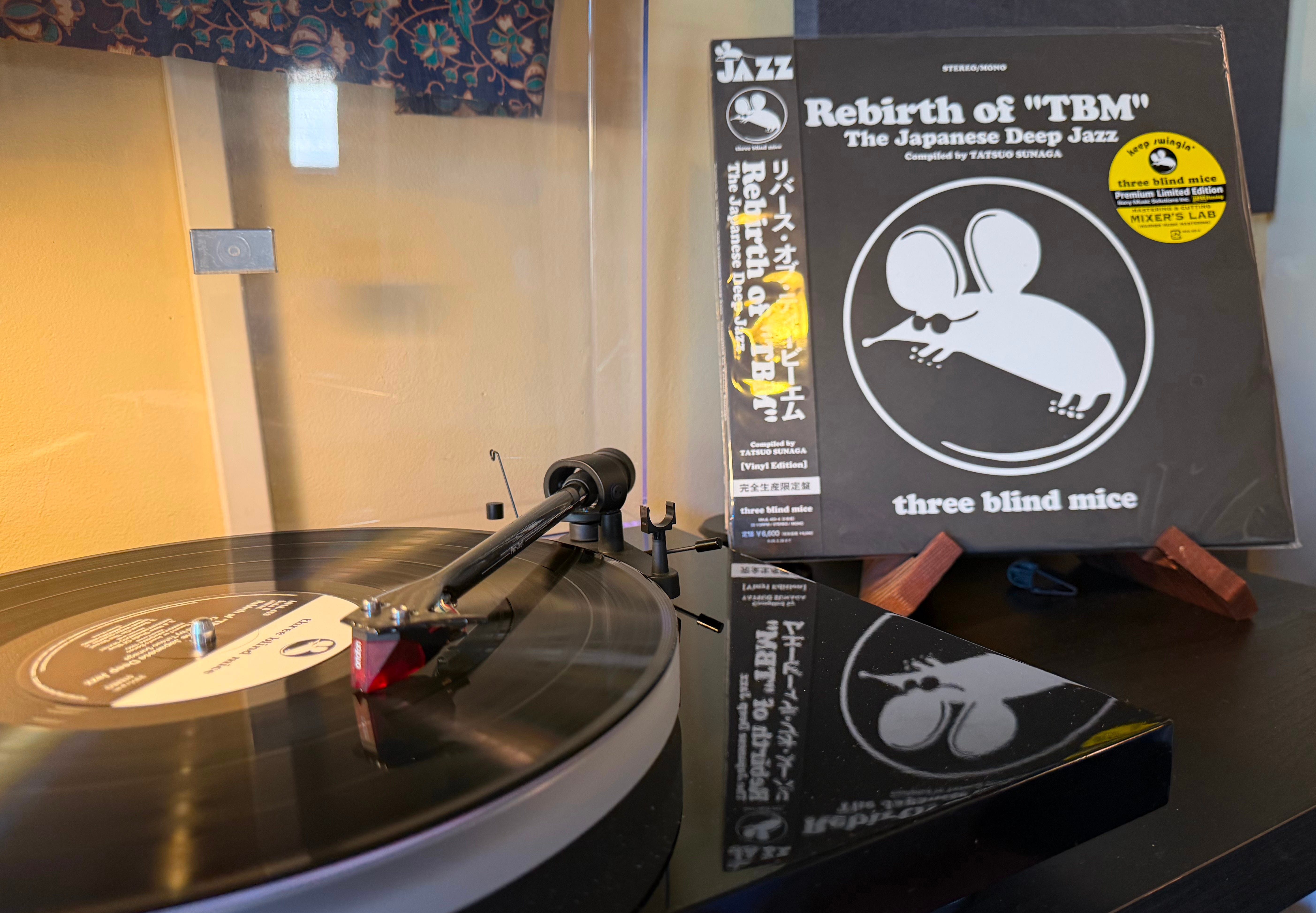
As a lifelong music fan and vinyl collector since 1982, I’ve packed my shelves with history. Sometimes the most interesting story about a record isn’t the jacket or the vinyl color. It’s what’s etched near the center.
Look closely at the blank space between the last track and the center label. That’s the deadwax, also called the runout. You’ll find a hidden language there, a code that can tell you where and when that copy was made.
As someone who spends his days working in digital marketing, I appreciate clean data and tracking things to their source. With my vinyl collection, tracking down a pressing plant is like detective work, partly because I now need to wear my readers to see the code at all.
Here’s a simple guide to reading the deadwax, identifying the pressing plant, and figuring out which plants have the best reputations. You don’t need special equipment. You just need good lighting, good eyesight (or good glasses), and some patience. Let’s begin.
Five Steps to Decode Your Record
Find the matrix number. It’s the main string of text in the blank wax, and it usually matches the catalog number on the jacket. It may also have a suffix, something like AL 36248-1A.
Hunt for the plant mark. It should appear after the matrix, or it might be stamped about a quarter turn away. Tilt the record under the light, and it gets a lot easier to spot.
Check the label. Atlantic and PolyGram printed plant codes right on the center paper label, so those are the easiest to read.
Measure the pressing ring. If the wax is blank, the circular ring pressed into the label is a great backup clue.
Use Discogs. I hate to rely on it alone, but it’s a great database that many of us contribute to and use as a reference. Compare the full string of letters and numbers to the Barcode and Other Identifiers section on the release page.
Major Label Cheat Sheet
Different labels use different codes. All of Columbia’s U.S. plants used the same 68.5mm pressing ring, so the ring alone won’t tell you which plant made your copy. To tell them apart, look for specific letters in the deadwax. Warner and Atlantic releases pressed by Columbia often carry a two-letter code like CP, CT, or CS.
Plates were often made at one plant and pressed at another. That’s where the X codes come in. SX means the lacquer was plated at Santa Maria and sent to a different Columbia plant for pressing. SXT means plated at Santa Maria and pressed at Terre Haute.
RCA, Capitol, MCA and Decca owned their own factories and pressed for other labels, too. Capitol is a good example. On Warner Bros. releases pressed by Capitol, a two-letter code in the runout tells you which Capitol plant did the work. Capitol’s own releases have their own marks.
The Paper Center Labels
Some record companies made it easy and printed the pressing code right on the label. On Atlantic and ATCO, look at the bottom of the label for the master number followed by two letters. Take ST-A-701829-PR from Crosby, Stills, Nash & Young’s Déjà Vu. ST means stereo, A means Atlantic, 70 is the year, 1829 is the tape master number, and PR is the plant.
PR is Presswell (Ancora, NJ)
MO is Monarch (Los Angeles)
SP is Specialty (Olyphant, PA)
AR is Allied (Los Angeles)
RI is PRC (Richmond, IN)
CP is Columbia Pitman
PolyGram labels like Mercury, Polydor, and Casablanca did something similar from the mid-1970s into the late 1980s. Look for a two-digit number on the label:
18 is Presswell
24 is Monarch
25 is Columbia Santa Maria
49 is Specialty
56 is Columbia Pitman
73 is Columbia Terre Haute
Pressing Rings
The raised ring on the center label comes from the heavy metal die used to stamp the record. If there aren’t any codes to read, measure its diameter. When you see a slash, it means two rings. So 35/70mm is a small ring at 35mm plus a bigger one at 70mm. If someone mentions a deep groove, they mean a deep trough pressed into the label, found on early pressings like 1950s Blue Note records. Keep in mind that some plants changed their rings over the years. Treat the ring as a strong clue, not proof.
Miscellaneous
Remember, not everything you see in the wax points to a plant. Here’s what else it could be:
AL / BL marks side one and side two on a CBS album.
Suffixes like 1A or 1B tell you the lacquer or stamper version. On some early Columbia releases, the letter hints at which plant got that lacquer, but not always!
MASTERDISK, STERLING, or RL are mastering studios and engineers. They tell you who cut the audio. RL is Robert “Bob” Ludwig.
CRC means it’s a Columbia Record Club pressing.
Do Record Plants Matter?
As a collector, you’ll learn which plants make great records and which ones might not. I learned from Discogs, eBay, friends who collect records, and even Whatnot.
Japanese pressings (Toshiba EMI, JVC) are the gold standard for quiet, flat vinyl. German pressings are highly respected for consistency. In the U.S., Monarch in Los Angeles (renamed Electrosound in 1985) was one of the most beloved independent plants. Original Blue Note records pressed by Plastylite are legendary, too. Today, modern plants like RTI and Quality Record Pressings are trusted for high-end releases.
Presswell has a reputation for noisy, off-center pressings. RCA’s Dynaflex records from the 1970s were paper-thin, and plenty of collectors disliked them. Columbia’s quality varied wildly by decade, and PRC can sound uneven.
But here’s the thing. A great film, like 8½, Citizen Kane, or The Big Lebowski, relies on a great director. In the vinyl world, that director is the mastering engineer. A brilliantly mastered cut pressed at an average plant will beat a weak cut pressed at a great plant every time. That’s why so many collectors obsess over the initials of mastering engineers like Bob Ludwig (RL), Kevin Gray, or Bernie Grundman. Mastering matters.
The next time you’re flipping through records, take a second to check the deadwax. You might find a hidden piece of music history. Compare sounds. Compare pressings. Most importantly, have fun!